Radiometer logo

ISICEM 2026 Radiometer-Sponsored Symposium

Leverage high-frequency data in the contemporary ICU: from biochemical kinetics to AI-enabled clinical intelligence

  • Request more info
    Complete the form below and we’ll reach out to you.
    Contact Info


    By submitting this form, I acknowledge that I have reviewed and understood the data privacy notice.

    All fields must be filled!


Leverage high-frequency data in the contemporary ICU:
from biochemical kinetics to AI-enabled clinical intelligence


Date and time: Wednesday 18 March 2026, 12:30–13:30 CET

Location: Studio, Square Convention Center, Brussels, Belgium

Format: 60-minute symposium with moderated discussion


About the session

Critical illness is a dynamic process, with patient conditions evolving continuously. Traditional ICU practice relies on periodic data reviews, which may hinder recognition of subtle changes and important trends.


This symposium will explore high-frequency physiological data streams and detailed biochemical kinetic monitoring within the ICU setting. By operationalizing high-frequency data sources, clinicians may achieve a deeper situational awareness through trajectory-based analytics and protocolized workflow integration.


Emphasis is placed on actionable decision support and workflow integration to improve situational awareness and timeliness of care.


The symposium will discuss:

  • High-frequency monitoring of conventional renal biomarkers (creatinine and urea)
  • ICU-wide data aggregation and operationalization using an AI-enabled clinical intelligence platform


Agenda

12:30–12:35
Welcome

Chair: Davide Manissero, MD, Chief Medical Officer, Radiometer Medical – Danaher Corporation
Co-chair: Andrew Shorr, MD, MPH, MBA, Professor of Medicine, Georgetown University; Section Head of Pulmonary and Critical Care Medicine, MedStar Washington Hospital Center (Washington, DC, USA)


High-frequency data, trajectory thinking, and the pathway to improved situational awareness through data analytics and workflow-linked decision support.


12:35–12:55
Point-of-care blood gas testing in critical care and the role of creatinine and urea as high-frequency markers


Speaker:
Maarten W.N. Nijsten, MD, PhD, Associate Professor, Department of Critical Care, University Medical Center Groningen


From snapshot interpretation to trajectory-aware surveillance. This session will discuss how higher-frequency measurement and kinetic interpretation of conventional markers, including renal biomarkers, can support clinical awareness in a multidisciplinary ICU.


12:55–13:20
Comprehensive ICU data aggregation in an AI-enabled clinical intelligence platform


Speaker:
Joshua Salvin, MD, MPH, Associate Professor of Pediatrics at Harvard Medical School, Chief Division of Cardiovascular Critical Care, Boston Children’s Hospital (Boston, MA, USA)


Integrating biochemical kinetics with physiological data streams; trajectory insights, risk indices, and workflow standardization. Practical examples from pediatric cardiac ICU care, including postoperative vasoactive weaning and ventilator liberation.


13:20–13:30
Integrated discussion and closing


Audience discussion, key take-home points and closing remarks.


The faculty

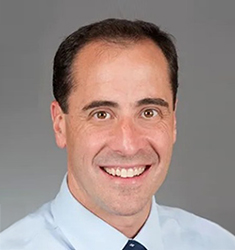
Joshua Salvin 

Dr. Joshua Salvin, MD, MPH

Chief of the Division of Cardiovascular Critical Care and Senior Associate Cardiologist in the Department of Cardiology at Boston Children’s Hospital.

Read more:


Dr. Joshua Salvin is Chief of the Division of Cardiovascular Critical Care and Senior Associate Cardiologist at Boston Children’s Hospital, and Associate Professor of Pediatrics at Harvard Medical School.

Trained in pediatric cardiology and critical care medicine, he focuses on clinical risk modeling, predictive analytics, and decision support in pediatric cardiac intensive care. His work aims to improve out-comes for critically ill children with congenital and acquired heart disease.

Maarten Nijsten 

Dr. Maarten W.N. Nijsten, MD, PhD
Associate Professor, Department of Critical Care, University Medical Center Groningen.

Read more:
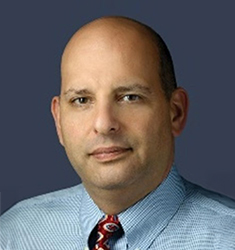

Dr. Maarten Nijsten is Associate Professor in Critical Care and In-ternist-Intensivist at the University Medical Center Groningen.

A European-certified intensivist and EDIC examiner, his work focuses on metabolic and biochemical alterations in critical illness, with particular expertise in lactate physiology, glucose and potassium regulation, and renal function assessment.

Dr. Maarten Nijsten has led multiple translational and multicenter studies aimed at improving metabolic monitoring and outcomes in ICU patients.

Andrew Shorr 

Dr. Andrew Shorr, MD, MPH, MBA
Section Head of Pulmonary and Critical Care Medicine and Director of the Medical Intensive Care Unit at MedStar Washington Hospital Center.

Read more:
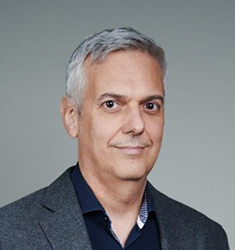

Dr. Andrew Shorr is Section Head of Pulmonary and Critical Care Medicine and Director of the Medical ICU at MedStar Washington Hospital Center in Washington, D.C., and Professor of Medicine at Georgetown University.

A board-certified specialist in Internal Medicine, Pulmonary Medicine, and Critical Care Medicine, his research focuses on severe pneumonia, antimicrobial therapy, and ICU epidemiology.

Dr. Andrew Shorr has authored more than 300 peer-reviewed publications and is widely recognized for his contributions to advancing evidence-based practice in critical care.

Davide Manissero 

Dr. Davide Manissero, MD

Vice President & Chief Medical Officer, Radiometer.

Read more:


Dr. Davide Manissero is Vice President and Chief Medical Officer at Radiometer, a Danaher company, where he provides global medical and scientific leadership for acute and critical care diagnostics.

Prior to joining Radiometer, Dr. Manissero served as Chief Medical Officer at QIAGEN, leading global medical, clinical, and regulatory affairs and supporting the company’s COVID 19 diagnostics response. His earlier career includes leadership roles at the World Health Organization and the European Centre for Disease Prevention and Control, with a focus on infectious diseases, tuberculosis, antimicrobial resistance, and outbreak preparedness.

Dr. Manissero holds a Doctor of Medicine degree and has dedicated his career to advancing clinically meaningful diagnostic solutions that support decision making in critical and acute care settings.

Questions?

If you have questions regarding the symposium or would like additional information, please contact Radiometer. Our team will be happy to assist.

Request more info
Complete the form below and we’ll reach out to you.
Contact Info


By submitting this form, I acknowledge that I have reviewed and understood the data privacy notice.

All fields must be filled!

Logos Etiometry, Radiometer and Danaher

Cookies are used on this website

Use of cookies
Confirm your account with Radiometer

Please enter a valid email

CONTINUE
By submitting your e-mail you agree to the data policy notice
Radiometer is using Microsoft Azure Active Directory to authenticate customer access. If you are already registered you will be taken to Microsoft AD to sign in using your Microsoft AD credentials.
You are already registered
Radiometer is using Microsoft Azure AD to authenticate customer access. If you are already registered you will be taken to AZURE to sign in using your AZURE credentials.
Thank you

We will be sending an e-mail invitation to you shortly to sign in using Microsoft Azure AD.

Radiometer is using Microsoft Azure AD to authenticate customer access.
Sorry

It seems that your e-mail is not registered with us

Radiometer is using Microsoft Azure AD to authenticate customer access. If your e-mail is not registered with us please click CONTINUE and we will guide you through the sign-in process.
We have previously sent an invitation by e-mail

Please click "Get started" in the e-mail to complete the registration process

Radiometer is using Microsoft Azure AD to authenticate customer access.
Sorry

We were not able to process your request due to a communication error

Sorry

It seems this account has not been given access to the portal

Radiometer is using Microsoft AZURE Active Directory to authenticate users

Radiometer uses Azure AD to provide our customers and partners secure access to documents, resources, and other services on our customer portal.

If your organization is already using Azure AD you can use the same credentials to access Radiometer's customer portal.

Key benefits

       
  • Allow the use of existing Active Directory credentials
  • Single-sign on experience
  • Use same credentials to access future services

Request access

You will receive an invitation to access our services via e-mail when your request has been approved.

When you accept the invitation, and your organization is already using AZURE AD, you can use the same credentials to access Radiometer's customer portal. Otherwise, a one-time password will be sent via e-mail to sign in.